
Hidden Support Your Northern Virginia Senior May Need
Caring for an older parent at home on top of work, school, and daily life is a lot. Many families in Northern Virginia feel this even more as the holiday season approaches and schedules get tighter, traffic gets heavier, and daylight gets shorter. You want your loved one safe and happy, but you also feel pulled in many directions.
Most families think they only have two care options: do everything themselves or move their loved one into a facility. In reality, there is a wide range of in-home support that can fill the gap. These services can keep your parent in the home they love while easing the load on your family.
Modern home care in Northern Virginia now goes far beyond the basics. Support can be shaped around safety, independence, and emotional well-being so your senior can stay connected and confident at home. We will walk through several care options families often overlook and how each one can make everyday life safer, easier, and a lot more peaceful for everyone involved.
Beyond Bathing and Dressing: Personal Care Plus
When people hear “personal care,” they often think of the basics like help with:
- Bathing or showering
- Getting dressed for the day and for bed
- Grooming, shaving, and oral care
- Toileting and incontinence care
- Moving safely from bed, chair, or wheelchair
These are all important, but there is a deeper level of personal care that many families do not realize exists. Personal care can also support health needs that show up in small daily details, such as:
- Spotting fall risks in the home and during daily routines
- Paying attention to skin changes, redness, or pressure areas
- Helping protect feet and skin for seniors with diabetes
- Gentle support for stiff joints and arthritis pain during movement
Thoughtful help with toileting schedules, transfer assistance, and steady use of walkers or canes can prevent a lot of emergencies. This becomes even more important when sidewalks may be wet or icy, and when it gets dark early, which can affect depth perception and balance.
Trained caregivers can also notice early warning signs that family members might miss, such as:
- Swelling in legs, feet, or hands
- Shortness of breath or new coughing
- Confusion or sudden mood changes
- Loss of appetite or not drinking enough
When these changes are shared quickly with the family and healthcare providers, problems can often be addressed before they turn into hospital visits.
At KB Healthcare Services, we shape personal care around each person’s normal routines, cultural background, and comfort level. Some people want more privacy, others want more hands-on support. Our goal is to support dignity and independence, not to force a one-size-fits-all schedule.
Companion Care That Fights Holiday Loneliness
“Just company” can sound optional, but time with a caring companion can make a big difference in a senior’s mental and emotional health. This matters all year, and it often matters more when families are traveling, working late, or dealing with school events.
Companion care can include:
- Friendly conversation and social visits
- Help writing cards, letters, or emails
- Setting up and joining video calls with family
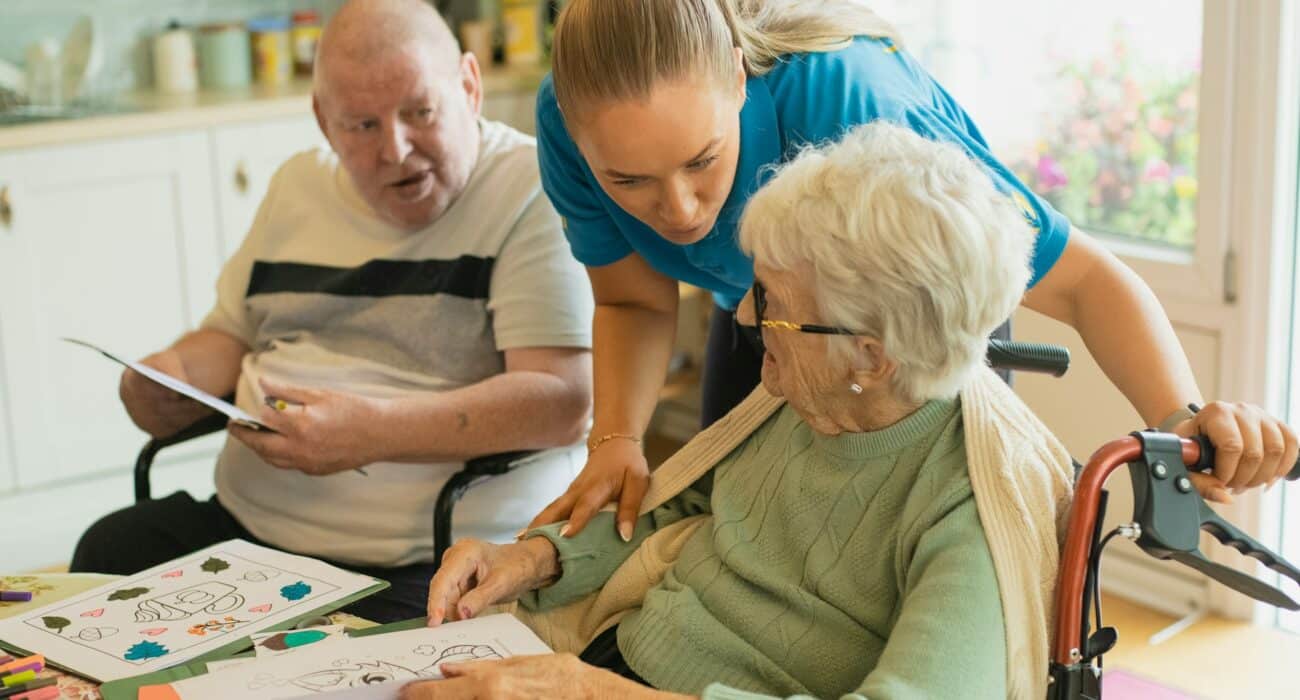
- Playing games, puzzles, or memory activities
- Working on hobbies like crafts, reading, or music
These simple moments help ease loneliness and support brain health. Many older adults do not want to “bother” busy family members, so they stay quiet about feeling sad or isolated. A regular companion gives them someone to talk with who has time to sit, listen, and engage.
Companions can also offer very practical help, such as:
- Light meal prep and snacks
- Tidying common areas and organizing mail
- Helping decorate safely if the family chooses to decorate
- Going along to community events or religious services
In Northern Virginia, long commutes and irregular work hours can leave seniors alone for big parts of the day, especially during short winter days. Having a trusted companion visit on a steady schedule can bring structure and warmth to the week.
Transportation and Errand Help Many Families Forget
Transportation is one of the most underrated care options. When a senior stops driving, it can feel like their world suddenly shrinks. They may start skipping appointments or social outings, not because they do not want to go, but because getting there feels hard or unsafe.
Trained caregivers can offer door-through-door support, which means they:
- Help your loved one get dressed and ready to go
- Walk them to the car and help with safe transfers
- Drive them to medical appointments, therapy, or the pharmacy
- Stay during the visit to take notes and help remember instructions
- Get them safely back inside and settled at home
This type of help can reduce missed appointments and the stress that comes from trying to juggle work with last-minute schedule changes.
Caregivers can also handle errands that add up for families, such as:
- Grocery shopping with or for your loved one
- Picking up prescriptions and over-the-counter items
- Handling simple returns or exchanges after shopping
- Stopping at the bank or post office
Shorter days, colder weather, and crowded parking lots can all raise the risk of falls and confusion for seniors. Having a trusted person to manage trips outside the home keeps them more active and independent without putting them at risk.
Wellness-Focused Care Options Inside the Home
Wellness-focused care goes beyond “getting through the day” and looks at how to support better health over time. Caregivers can quietly build healthy habits into the normal routine.
This can include:
- Medication reminders at the right times
- Gentle prompts to drink water and stay hydrated
- Light exercise support with a doctor-approved plan
- Healthy meal and snack prep that matches medical needs
For many older adults, simple movement can help keep joints loose, muscles stronger, and balance steadier. A caregiver can:
- Walk with them inside or outside when it is safe
- Support easy stretching or chair exercises
- Encourage them to stand and move during the day instead of sitting for long periods
Home safety checks are another key wellness tool. A caregiver can help identify:
- Rugs or cords that could cause a fall
- Poor lighting in hallways or stair areas
- Cluttered pathways between bedroom, bathroom, and kitchen
- Drafts or temperature issues that make the home uncomfortable
Proactive care like this can lower the chance of falls or health setbacks and can also support smoother recovery after illness or surgery. That is especially helpful during cold and flu season, when a small issue can quickly become more serious for older adults.
How to Choose the Right Care Options for Your Family
If you feel unsure where to start, it can help to make a simple list. Write down what your loved one can safely do on their own, what they can do with help, and what feels unsafe right now.
For example, ask:
- Can they bathe and dress safely without help?
- Do they remember medications and meals?
- Are they getting out of the house for social time?
- Are they steady when walking inside and outside?
Next, match these needs with care options such as personal care, companion visits, transportation, and wellness support. Many families start small with a few hours a week, especially around busy seasons, then adjust as they see how much it helps.
When you look at home care agencies in Northern Virginia, consider:
- Licensing and clear standards for care
- Caregiver training and background checks
- How they communicate with families about changes or concerns
- Their ability to adjust and personalize care plans as needs change
KB Healthcare Services creates individualized plans that combine different types of support into one simple schedule. Personal care, companionship, errand help, transportation, and wellness-focused services can be blended based on your loved one’s needs and your family’s routines.
Take the Next Step to Support Safe, Confident Aging at Home
Planning support before life gets even busier can reduce stress for everyone. When care options are in place, family members can enjoy visits more, focusing on conversation and connection instead of rushing from task to task.
It can help to sit down with your loved one and ask what feels hardest for them right now. Is it staying steady when walking, remembering pills, spending long stretches alone, or getting to the places they want to go? Each of these concerns has a matching in-home service that can keep them safer and more confident in the home they love. KB Healthcare Services is here in Virginia to help families build that kind of support step by step.
Find the Right Support and Care Plan for Your Family
If you are exploring care options for a loved one, we are here to help you understand what fits best for their needs and your peace of mind. At KB Healthcare Services, we take the time to listen, answer your questions, and explain how our caregivers can support daily life at home. Reach out today through our contact page so we can discuss your situation and help you move forward with confidence.