
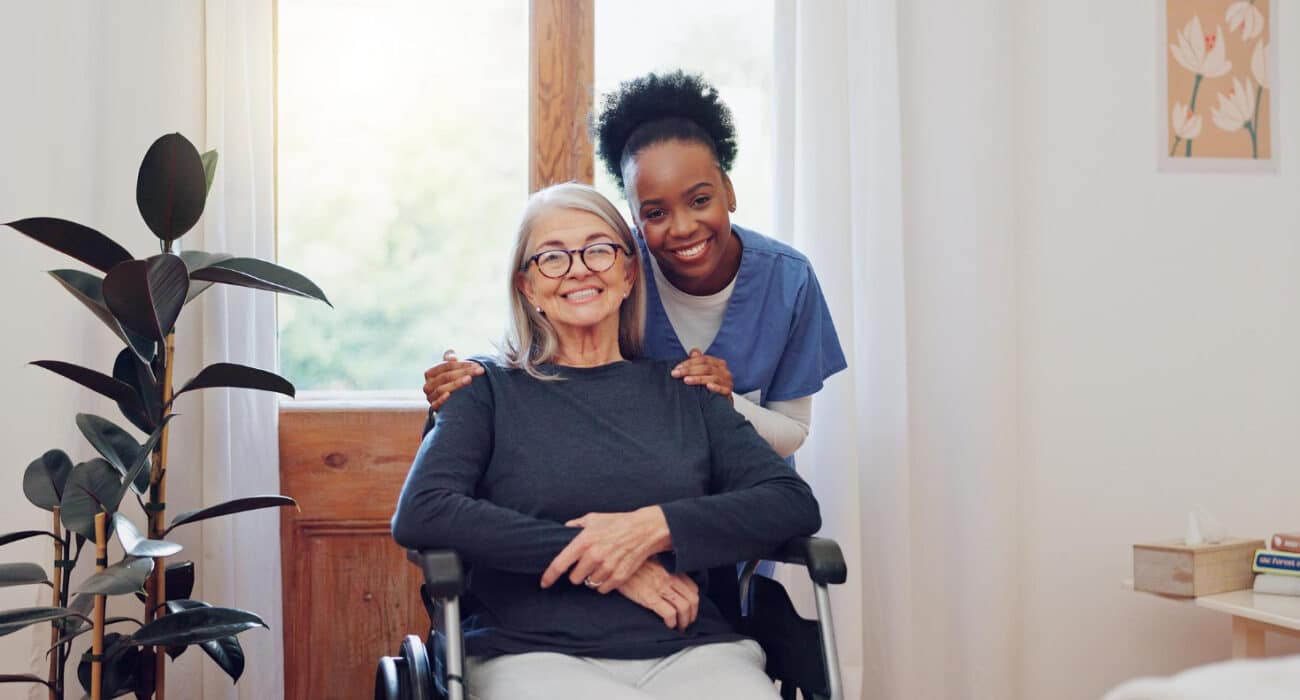
Start Strong: The First 14 Days Can Change Everything
The first two weeks of home health nursing in Fredericksburg, VA can shape how safe and stable life at home feels for an older adult. When someone comes home from the hospital or starts needing more help, things can slip through the cracks. Small gaps in care often grow into big problems like falls, infections, or late-night trips to the ER.
We like to think of the start of care as a focused “gap-fix” period. A gap-fix checklist is a simple, step-by-step way to look at what is missing, what feels risky, and what needs to be handled first. Instead of guessing, we move through the home, the care plan, and the daily routine in a clear order, so families get safety, stability, and peace of mind as quickly as possible.
In mid-October in Virginia, this structure matters even more. Shorter days, cooler nights, wet leaves, fall allergies, and the start of infection season can all raise risk. A clear 14-day roadmap helps seniors stay safe, warm, and supported at home while everyone adjusts to the new normal.
Days 1, 3: Safety Hazards and Emergency Readiness
Those first few days are all about “big rocks” for safety. Before we worry about smaller details, we focus on preventing sudden accidents and making sure help is easy to reach.
A home safety walk-through usually includes:
- Finding fall hazards like loose throw rugs, cords across walking paths, and poor lighting in halls or stairways
- Checking bathrooms for slippery tubs and floors, lack of grab bars, low toilets, and unsteady shower chairs
- Clearing clutter from walkways, stair landings, and around the bed or favorite chair
- Looking outside at wet leaves, cracked or uneven steps, wobbly railings, and dark porches
Emergency planning is just as important as fixing hazards. In the first 3 days, a nurse or care team should help the family:
- Post emergency contacts where everyone can see them
- Keep a current medication and allergy list in one easy place
- Note hospital and doctor preferences, so no one is guessing in a crisis
- Confirm how to reach the home health agency or nurse after hours
We also check basic home environment needs. That can include testing smoke and carbon monoxide detectors, placing flashlights where they are easy to grab, making sure house numbers are easy to spot from the street, and talking about heat sources. As temperatures drop, safe use of space heaters, blankets, and extra bedding becomes very important, especially overnight.
Days 4, 7: Medication, Medical Needs, and Nursing Priorities
Once safety and emergency planning are under control, the next step is to look closely at health needs. The first week is the best time to catch medication problems and early signs of medical trouble.
A good medication review means we:
- Line up every prescription, over-the-counter drug, vitamin, and supplement
- Compare directions from each doctor and look for duplicates or conflicts
- Confirm dosages, timing, and food instructions
- Create a simple schedule, and when appropriate, talk about pill organizers or other supports
Home health nursing in Fredericksburg, VA often includes a detailed clinical assessment. During visits, the nurse may:
- Check blood pressure, heart rate, breathing, temperature, and oxygen when needed
- Review blood sugar readings and insulin use
- Look closely at skin for redness, bruises, wounds, or pressure spots
- Ask about pain, sleep, shortness of breath, confusion, and changes in energy
Condition-specific “gap fixes” come next. For example, if someone has a wound, the nurse can set up a dressing plan and teach the family what to watch for. With heart failure or COPD, the nurse might set daily weight checks or breathing checks and explain which changes need a call. For diabetes, the focus may be on safe blood sugar targets, foot checks, and timing of food and medicine. This is also the window to organize lab work, therapy referrals, or follow-up visits with specialists.
Days 5, 10: Daily Routines, Personal Care, and Mobility
Once the medical basics are clearer, attention shifts to daily life. These days are for building a care routine that protects health while still respecting independence and dignity.
A personal care plan looks at:
- Bathing and shower safety, including water temperature and support in the tub
- Grooming, dressing, and laundry routines that match the person’s abilities
- Toileting, continence care, and skin care around sensitive areas
- Steps to lower the risk of skin breakdown, rashes, and urinary infections
Mobility and transfers are another high priority. The nurse or therapist may:
- Check that walkers, canes, or wheelchairs are the right height and in good condition
- Teach safe transfer techniques from bed to chair, chair to toilet, and in and out of the car
- Suggest simple equipment like grab bars, raised toilet seats, bed rails, or non-slip mats
During days 5, 10, we also help the family shape sustainable routines. As autumn days get shorter, many seniors feel more confused or sleepy in the late afternoon and evening. Setting regular times for waking, meals, snacks, hydration, rest, and gentle activity can lower fall risk and reduce “sundowning” behaviors. Simple patterns like a calm evening routine, steady bedtimes, and soft lighting can make the home feel predictable and reassuring.
Days 8, 14: Cognitive Health, Nutrition, and Emotional Support
By the second week, we have a better feel for how the person is adjusting. This is a good time to look closer at thinking, mood, food, and feelings.
A basic cognitive and behavioral check often includes:
- Noticing new memory gaps, repeated questions, or trouble following directions
- Watching for confusion about time of day or place
- Asking about sadness, withdrawal, worry, or changes in sleep
- Looking for signs that might suggest dementia or depression
From there, the team can suggest simple supports like large-print calendars, pill reminders, labeled drawers, or a steady daily schedule to help with orientation and focus.
Nutrition and hydration also need attention. In these days, we watch for:
- Recent weight loss, loose clothing, or poor appetite
- Dry mouth, dark urine, or dizziness that could point to low fluids
- Trouble chewing or swallowing, coughing during meals, or food getting “stuck”
- Possible food and medication timing issues, like nausea when pills are taken on an empty stomach
Fall-friendly meals can be warm, soft, and easy to eat, like soups, stews, cooked vegetables, and high-protein snacks that are simple to grab. Sipping water or other approved fluids throughout the day can help cut down on infections and lightheadedness.
Emotional and social health matters too. Many seniors and family caregivers feel alone, worried, or burned out. Home health nursing in Fredericksburg, VA can include gentle conversations about:
- Caregiver stress and signs of burnout
- Local senior centers, adult day programs, or hobby groups
- Faith communities and neighborhood groups that offer visits or support
- Simple daily activities that bring pleasure, like music, puzzles, or time on the porch
Family Training, Local Resources, and Ongoing Checkups
For care at home to work, family and friends need clear guidance, not guesswork. During these first 14 days, the nurse can offer hands-on coaching, such as:
- How to help someone stand, turn, or walk without hurting their own back
- How to give safe medication reminders and track doses
- Which symptoms should be written down and shared at the next visit
- When to call the home health nurse, the doctor, or 911
Simple written checklists or fridge notes can make this much easier to remember.
Because KB Healthcare Services is based in Virginia, we also understand the local support network around Fredericksburg. Home health nursing alone cannot fill every gap. It often works best alongside:
- Primary care and specialty physicians
- Local pharmacies for medication delivery or packaging support
- Physical, occupational, or speech therapists
- Community programs that offer rides, meals, or social time
Finally, the first 14 days are the start of a longer plan, not the end. Regular care plan reviews, seasonal safety checkups as weather changes, and clear goals for staying at home help everyone know what they are working toward. With a thoughtful gap-fix checklist at the start, families can move from constant crisis mode to a calmer, more confident way of caring at home.
Get Compassionate Home Care Support Today
If you or a loved one could benefit from skilled, reliable home health nursing in Fredericksburg, VA, we are here to help you feel safer and more supported at home. At KB Healthcare Services, our nurses and caregivers work with you and your physician to create a care plan that respects your goals, preferences, and daily routine. Reach out through our contact page to schedule a conversation, and let us guide you through next steps with clear, straightforward options. We are ready to answer your questions and coordinate care that fits your life.